
The Evolution of Minimally Invasive Gynecological Surgery in Dubai
Looking for a Laparoscopic Gynecologist in Dubai? Gynecological conditions such as uterine fibroids, deep ovarian cysts, endometrial polyps, pelvic adhesions, and uterine septum variations historically required major open abdominal surgery (laparotomy). Traditional open procedures involved large incisions, significant post-operative pain, multi-day hospital stays, and lengthy recovery periods that disrupted a woman’s personal and professional life.
Modern surgical gynecology has been revolutionized by laparoscopy (keyhole surgery) and hysteroscopy (trans-cervical endoscopic surgery). These minimally invasive techniques allow expert gynecological surgeons to diagnose and treat complex pelvic pathologies through tiny 5–10 mm keyhole incisions or natural anatomical pathways using high-definition cameras and specialized micro-instruments.
Consulting a certified laparoscopic gynecologist in dubai, such as Dr. Sunita Arora, ensures that benign pelvic disorders are treated with maximum surgical precision, minimal tissue trauma, rapid wound healing, and preserved fertility potential.ve care.
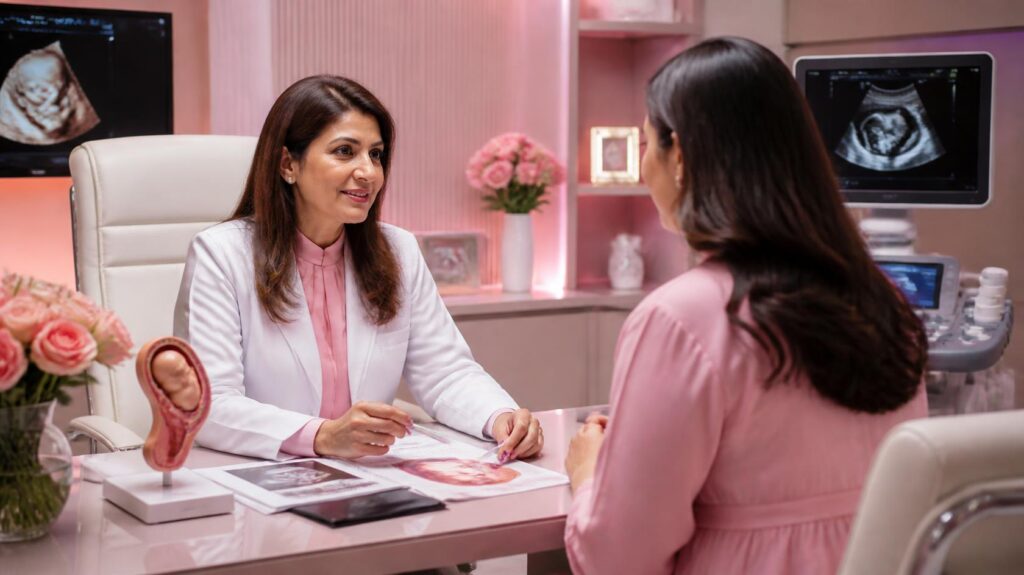
Clinical Deep Dive: Surgical Indications, Keyhole Precision & Tissue Preservation
Minimally invasive gynecological techniques are broadly divided into laparoscopic (trans-abdominal keyhole) and hysteroscopic (trans-cervical intra-uterine) approaches, depending on the anatomical location of the tissue pathology.
Primary Surgical Applications
- Laparoscopic Ovarian Cystectomy: Surgical excision of benign ovarian cysts (dermoid cysts, endometriomas, or cystadenomas) while carefully preserving surrounding healthy ovarian tissue and follicular reserve.
- Laparoscopic Myomectomy: Precise removal of symptomatic intramural or subserosal uterine fibroids, meticulously suturing the uterine wall layers to ensure structural strength for future pregnancies.
- Diagnostic & Operative Hysteroscopy: Trans-cervical insertion of a micro-telescope to inspect the uterine cavity and remove submucosal fibroids, endometrial polyps, or intrauterine adhesions (Asherman’s Syndrome) without any external incisions.
- Laparoscopic Management of Endometriosis: Excision or ablation of ectopic endometriotic implants and pelvic scar tissue to relieve chronic pelvic pain and restore pelvic anatomy.
“Minimally invasive keyhole surgery has transformed gynecological care. By combining high-definition visualization with delicate tissue handling, we can resolve complex conditions like fibroids and cysts safely, allowing our patients to return home quickly with minimal discomfort and discreet scars.”
American Board of Cosmetic Gynecology (ABCG)
Clinical Workflow for Minimally Invasive Gynecological Surgery
The step-by-step clinical workflow by a Laparoscopic Gynecologist in Dubai is:
1. Diagnostic Evaluation & 3D Ultrasound Mapping
Detailed pelvic ultrasound mapping, MRI evaluation if required, routine pre-anesthetic blood screening, and comprehensive surgical risk counseling.
2. Outpatient Day-Surgery Admission & Anesthesia Prep
Same-day hospital admission, administration of gentle general anesthesia, and preparation of high-definition laparoscopic or hysteroscopic equipment.
3. Precision Micro-Surgical Execution
Creating 3–4 tiny keyhole access points (5–10 mm), introducing CO2 pneumoperitoneum, and executing precise lesion excision while controlling localized blood vessels.
4. Post-Anesthesia Care Unit (PACU) Monitoring
Monitoring early vital signs, managing mild post-operative discomfort, encouraging early mobilization, and commencing light oral fluid intake.
5. Same-Day / Next-Day Discharge & Recovery Review
Discharging the patient with personalized care guidelines, followed by a routine post-operative wound and histology review at 1 to 2 weeks.

Frequently Asked Questions
Laparoscopy involves placing a tiny camera through a small keyhole incision in the belly button to view and treat organs outside the uterus inside the pelvic cavity (such as ovaries, fallopian tubes, and the outer uterine wall). Hysteroscopy passes a thin camera through the vagina and cervix to view and treat the inside of the uterine cavity without any external incisions.
Laparoscopic incisions are extremely small (usually 5 mm to 10 mm in size) and are strategically placed inside the belly button and low along the bikini line. Once healed, these micro-scars fade dramatically and are virtually unnoticeable.
Also Read: Comprehensive Management of PCOS & Female Infertility in Dubai: Restoring Hormonal Harmony
Expert Minimally Invasive Gynecological Surgery by Dr. Sunita Arora
Choosing minimally invasive surgical care ensures that complex pelvic health issues are resolved efficiently with minimal impact on your daily life, physical comfort, and future fertility.
Holding advanced accreditations with the Royal College of Obstetricians and Gynaecologists (MRCOG, UK) and the Royal College of Physicians of Ireland (MRCPI), Dr. Sunita Arora, the Laparoscopic Gynecologist in Dubai has completed advanced hysteroscopy and laparoscopy training from FOGSI-accredited centers. With over two decades of surgical experience, Dr. Arora provides meticulous, patient-centered minimally invasive care for women in Dubai at JTS Medical Centre and Dubai London Hospital.


