
Introduction: Understanding PCOS and PCOD
Many women experience irregular periods, weight gain, acne, or difficulty conceiving, but often don’t know whether the cause is PCOS (Polycystic Ovary Syndrome) or PCOD (Polycystic Ovarian Disease). Although these two terms are often used interchangeably, they are not the same.
Understanding the difference between PCOS vs PCOD is essential for early diagnosis, effective treatment, and protecting your long-term reproductive and overall health. With timely medical care and healthy lifestyle changes, both conditions can be successfully managed, helping women lead healthy and fulfilling lives.
“Early diagnosis, the right treatment, and a healthy lifestyle can help women with PCOS or PCOD achieve hormonal balance, improved fertility, and a better quality of life.” – Dr. Sunita
PCOS vs PCOD: What’s the Difference?
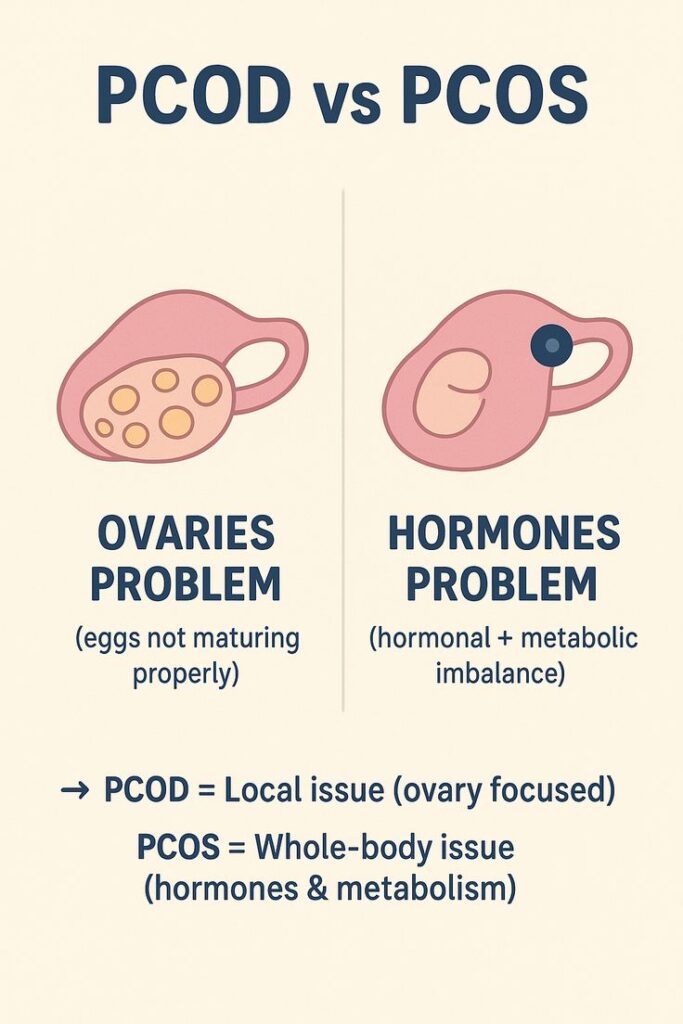
Although both conditions affect the ovaries, their causes and severity differ.
What is PCOD?
Polycystic Ovarian Disease (PCOD) is a condition in which the ovaries produce immature or partially mature eggs that develop into small cysts. This can lead to hormonal imbalance and irregular ovulation.
Women with PCOD can often manage the condition through healthy eating, regular exercise, stress management, and medications prescribed by their gynecologist.

What is PCOS?
Polycystic Ovary Syndrome (PCOS) is a hormonal and metabolic disorder where the ovaries produce excess male hormones (androgens). It can interfere with ovulation and increase the risk of infertility, diabetes, high blood pressure, and heart disease if left untreated.
PCOS generally requires long-term medical management and lifestyle modifications.

Common Symptoms of PCOS and PCOD
Both conditions may share similar symptoms, including:
- Irregular or missed periods
- Weight gain, especially around the abdomen
- Acne and oily skin
- Excess facial or body hair
- Hair thinning or hair loss
- Difficulty getting pregnant
- Dark patches on the skin (Acanthosis Nigricans)
- Mood swings and fatigue
What Causes PCOS and PCOD?
Several factors contribute to these conditions, such as:
- Hormonal imbalance
- Insulin resistance
- Genetics and family history
- Obesity or excess body weight
- Sedentary lifestyle
- Chronic stress
- Poor dietary habits
Diagnosis: How Are PCOS and PCOD Identified?
Your gynecologist may recommend the following evaluations:
Medical History
- Menstrual cycle history
- Pregnancy history
- Family medical history
Physical Examination
- Body weight and BMI
- Blood pressure
- Signs of excess androgen levels
Diagnostic Tests
- Pelvic ultrasound
- Hormone profile
- Blood sugar test
- Insulin levels
- Lipid profile
- Thyroid function tests
Treatment Workflow
Step 1: Comprehensive Evaluation
- Review symptoms and menstrual history
- Physical examination
- Blood tests and ultrasound
Step 2: Accurate Diagnosis
- Differentiate between PCOS and PCOD
- Assess hormonal and metabolic health
Step 3: Personalized Treatment Plan
- Lifestyle modification
- Weight management
- Balanced nutrition
- Regular physical activity
- Stress reduction
Step 4: Medications (If Needed)
- Hormonal medications to regulate periods
- Medicines for insulin resistance
- Ovulation induction for women planning pregnancy
- Acne and hair growth management
Step 5: Regular Follow-Up
- Monitor hormone levels
- Track menstrual cycles
- Adjust treatment based on progress
Lifestyle Tips to Manage PCOS and PCOD
- Maintain a healthy body weight.
- Exercise for at least 30–45 minutes most days.
- Eat a balanced diet rich in fiber, lean protein, fruits, and vegetables.
- Reduce sugary and processed foods.
- Sleep 7–8 hours every night.
- Practice yoga, meditation, or other stress-relieving activities.
- Attend regular gynecological check-ups.
Frequently Asked Questions (FAQs)
1. Is PCOS more serious than PCOD?
Yes. PCOS is generally considered more complex because it affects both reproductive and metabolic health and may increase the risk of diabetes, heart disease, and infertility.
2. Can PCOS or PCOD be cured permanently?
There is no permanent cure, but both conditions can be effectively managed with medical treatment, healthy lifestyle changes, and regular follow-up.
3. Can women with PCOS become pregnant?
Yes. Many women with PCOS conceive naturally or with fertility treatments such as ovulation induction, IUI, or IVF when required.
4. Does weight loss improve PCOS symptoms?
Yes. Even losing 5–10% of body weight can significantly improve hormone balance, menstrual regularity, and fertility.
5. When should I consult a gynecologist?
If you experience irregular periods, excessive hair growth, acne, unexplained weight gain, or difficulty conceiving, consult a gynecologist for early evaluation and treatment.
Conclusion
Although PCOS and PCOD have similar symptoms, they differ in their underlying causes, severity, and long-term health implications. Early diagnosis and individualized treatment play a crucial role in managing these conditions and preventing complications.
At Dr. Sunita’s Clinic, we provide comprehensive evaluation, personalized treatment plans, fertility guidance, and compassionate care to help women regain hormonal balance and achieve their reproductive health goals. If you’re experiencing symptoms of PCOS or PCOD, don’t ignore them—timely medical attention can make a significant difference.
Take the first step toward better hormonal health by scheduling a consultation with Dr. Sunita today.


